
M1A with LPVOs: Does This Optic Enhance the Classic Rifle?

The M1A is a legendary firearm, renowned for its power and historical significance. Traditionally, iron sights are the perfect match for the M1A, and there is no changing that. However, sometimes modern shooting needs a little bit more edge, and that explains why some shooters nowadays have a go at the M1A with an LPVO.
Now, there is no denying that this is a bit of an unusual combination, and you may wonder if an M1A with LPVO is a wise choice for your setup. But mounting an LPVO on an M1A is actually a very good idea, mainly because it blends the reach of a .308 rifle with the speed of a variable optic that allows you to effortlessly jump from close range to distant targets. And it has some practical advantages too.

Is an LPVO a Good Match For the M1A?
To put an LPVO on a classic platform like an M1A, you have to start by carefully considering the pros and the cons. Keep in mind that the M1A was originally designed for iron sights, so adding glass changes the balance and handling for most shooters. However, it does bring its own unique advantages.
Advantages of an LPVO on M1A Rifles
1. Accuracy Over Longer Range
An LPVO is versatile because it offers a true 1.0x magnification that works like a red dot. When you need to see further, having an LPVO on your M1A allows you to dial up to 6x or 8x for more accuracy. This is perfect for the .308 Winchester cartridge, which has plenty of power at 500 yards.
2. Better Target Identification
Another benefit of an M1A with LPVO is target identification. In a hunting or tactical scenario, being able to clearly see what you are aiming at is crucial. Iron sights are great, but they do not help you tell the difference between a stump and a coyote at 200 yards. LPVOs on M1A rifles simply offer better clarity than red dot sights.
Disadvantages of an LPVO on M1A Rifles
1. Excessive Height of the LPVO Optic
The primary disadvantage of having an LPVO on an M1A is the height of the optic. The M1A stock is straight and designed for low iron sights. Most scope mounts sit high in order to clear the receiver and the ejecting brass. This often results in a chin weld instead of a cheek weld, and you will likely need an aftermarket cheek riser to maintain a good shooting position.
2. The Setup Can Get Really Heavy
Weight is another factor that diminishes the setup of an M1A with LPVO. The M1A is already a heavy rifle, so adding a steel mount and a 20-ounce optic can make the rifle feel bulky. You must consider whether the extra weight is worth the increased hit probability at long range.

Ideal Magnification Range for an M1A LPVO
Just like when choosing an LPVO for anything else, choosing the right power range depends on how you plan to use your M1A rifle LPVO setup. Different ranges offer unique benefits for the shooter.
- 1-4x Magnification: This was the traditional standard for many years. It is usually the lightest and most compact option. For a SOCOM 16 or a short-barreled rifle, a 1-4x keeps the package nimble. However, many shooters today find 4x a bit limiting for a rifle that can easily reach out to 600 yards.
- 1-6x Magnification: This is widely considered the sweet spot for the M1A platform. It provides enough magnification to utilize the full potential of the .308 round. At 6x, you can comfortably engage targets at mid-range distances. Most 1-6x optics also offer a very forgiving eye box at the lower settings.
- 1-8x and 1-10x Magnification: If you are building a specialized marksman rifle, these higher ranges are excellent. They allow for better precision and more detailed target assessment. These optics often feature first focal plane reticles, which are very useful for holdovers. Just keep in mind that as magnification goes up, the eye box usually gets tighter.
How to Mount an LPVO on an M1A (Step by Step)
Mounting an optic on this rifle is more complex than on an AR-15. You cannot just bolt it to a rail. Follow these steps to ensure a solid M1A with LPVO configuration.
Step 1: Select a High Quality Mount
Since the M1A receiver does not have a built-in rail, you need a specialized mount. For those with a Scout or SOCOM model, you can use the forward Picatinny rail, but you will need a scout scope with long eye relief. For a standard LPVO, a receiver mount is required.
Step 2: Verify Receiver Specs
M1A receivers can vary slightly in their dimensions. Before tightening everything down, use an inspection kit if your mount provider includes one. This ensures the mount sits flush against the receiver grooves. If the mount is not perfectly aligned, you will never achieve a consistent zero.
Step 3: Install the Mount and Apply Thread Locker
Place the mount on the side of the receiver. Tighten the main bolt and any secondary tension screws. It is highly recommended to use a medium-strength thread locker. The M1A has a unique recoil impulse that can vibrate screws over time.

Step 4: Choose the Right Rings
You want the lowest rings possible that still allow the optic to clear the handguard or the rear sight, but low or medium rings are usually best. They help keep the optic closer to the bore and reduce the height of the cheek riser you will eventually need.
Step 5: Set Eye Relief and Level the Reticle
Sit behind the rifle in a natural shooting position. Move the optic forward or backward until you see a full, clear image at the highest magnification. Once the eye relief is set, use a leveling tool to ensure the reticle is perfectly vertical. Tighten the ring screws in a criss-cross pattern to the manufacturer's torque specs.
Best Use Cases for an M1A with an LPVO
This M1A LPVO setup is not just for show. It excels in several real-world applications where versatility is king.
- Hunting: The M1A is a powerhouse for hogs and deer because with an LPVO, you can scan at 1x in thick brush and then zoom in for a precise shot.
- Target Shooting: If you enjoy ringing steel at various distances, this is the perfect tool. You can transition from 100-yard targets to 500-yard targets.
- Home Defense or Property Patrol: For those living on large acreage, the M1A SOCOM LPVO combination offers a compact rifle that can handle threats at both close and long range.
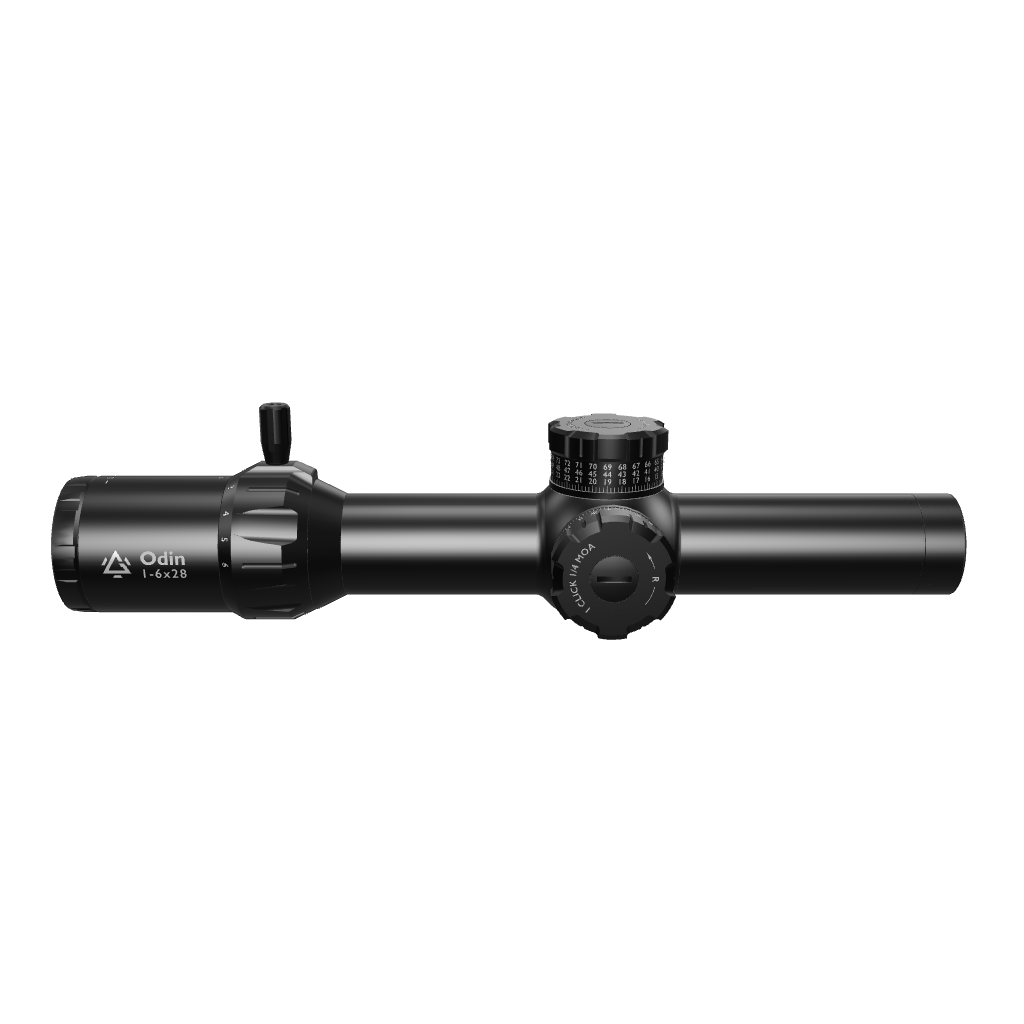
Gunnr Odin FFP LPVO: Best for general purpose and versatility
When looking for the right glass for your build, the Gunnr Odin ED 1-8x24 FFP LPVO Rifle Scope stands out as a top contender.
This optic is designed to handle the heavy recoil of a .308 rifle while providing elite clarity. It features German Schott ED glass, which ensures your image is crisp even in low light conditions.
The Odin is built with a first focal plane reticle, which means your subtensions and holdovers are accurate at every magnification level. This is a game-changer for M1A LPVO rifles because it allows for fast adjustments on the fly.
Key features include:
- 7075 Aluminum Construction: This material is incredibly durable and can withstand the rigors of field use.
- Zero-Stop Turrets: You can return to your original zero instantly without counting clicks.
- IP67 Waterproofing: It is protected against dust and water, making it reliable in any weather.
- Locking Turrets: This prevents accidental adjustments when you are moving through the woods or at the range.
The Odin 1-8x or 1-10x versions are particularly relevant for M1A owners who want to push their rifles to the limit. With 170 MOA of total adjustment and a bright 6-level illumination system, it provides the features of a premium optic at a lower price.

Should You Run an LPVO on M1A? Final Thoughts
Choosing to experiment with LPVO on M1A rifles entirely depends on your style, needs, and your overall range habits. But, if you still want to modernize this classic platform, an LPVO is the best upgrade for you because it blends 1x red dot speed with 6x-8x precision.
While you will need to account for extra weight and a cheek riser, the performance gains are undeniable. A well-mounted LPVO M1A rifle can be a formidable tool that honors the history of the platform while embracing modern technology.
Consider this complete guide on LPVOs for 300BLK if you are interested in other ways to make the most out of your LPVO.