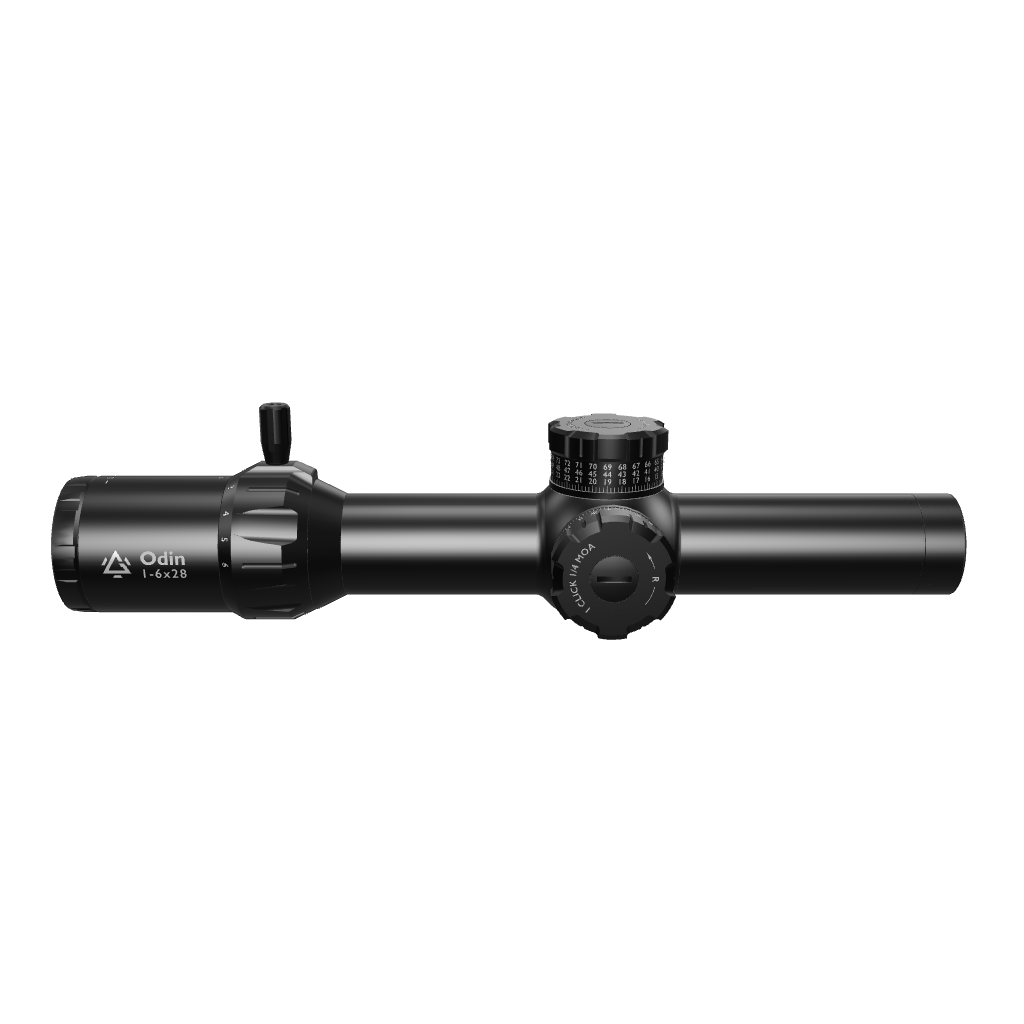

Do LPVOs Need Batteries?

Many Low Power Variable Optics use batteries, but not all of them require one to function: in otherwords, they use batteries, but do not necessarily require batteries to function.
In most LPVOs, the main role of the battery is to power reticle illumination, not the magnification system itself. So, even with a dead or missing battery, the LPVO will still work as a standard magnified scope: you can still aim, adjust magnification, and shoot accurately using the etched reticle.
Simply put, many LPVO systems do not need batteries for the core optical function. However, if your LPVO comes with electronic features, such as illuminated crosshairs or digital displays, you will need batteries to power these extras. For basic models that rely entirely on optical magnification, no energy source is necessary.

Why LPVOs Need Batteries
The battery in an LPVO allows the reticle to illuminate, usually in red or green. In many instances, especially in low-light, this illumination is pivotal to success. Here’s what it does:
- It makes the reticle faster to pick up in low light
- It improves visibility against dark targets
- It allows the LPVO to function more like a red dot at 1x.
Practical Benefits of Battery-Powered LPVOs
When LPVOs include battery-driven elements, they offer several practical benefits in everyday use. Here are a few common applications where batteries make an important difference:
Illustrated Reticles: In low-light conditions, an illuminated reticle can help you keep track of your aim. This feature is beneficial during early morning hunts or twilight shooting sessions.
- Enhanced precision: With an electronic display, you can sometimes see additional data, such as exposure and range indicators. While not a must-have for every user, these details often add extra confidence in fast-paced scenarios.
- Ease of use: For those who do not always get perfect lighting, an electronic illumination system ensures that the reticle stands out. This aspect simplifies the aiming process considerably.
- Flexibility in varied conditions: Battery-powered features allow the optic to adapt to different weather or lighting situations. The convenience of a well-lit reticle or digital readout means the instrument serves well in varying conditions.

How Batteries Enhance LPVO Performance (Hunting and Tactical/Competitive Shooting)
Illumination doesn’t make the optic more accurate, but it makes you faster and more confident, especially in dawn or dusk lighting, indoor or shaded environments, and rapid target acquisition at 1x.
Scenario #1
Imagine you take an LPVO for hunting at dawn or dusk. In these settings, the natural light may not always be enough to properly use an optical sight, and an LPVO with an illuminated reticle can prove to be very useful. In these conditions, the battery is not powering the sighting mechanism itself but rather ensuring that the reticle is clearly visible.
Scenario #2
Another example is LPVOs for tactical training or competitive shooting. A bright and clear reticle provides faster target acquisition. A battery can drive these features, ensuring the shooter sees a precise aiming point even in challenging light conditions.
If your LPVO model is strictly optical with manual adjustments, you will find that batteries remain unnecessary, as their role is limited only to enhancing optional electronic functions.
LPVOs: With Batteries vs. Without Batteries
| Feature | Battery-Powered LPVO | Optical-Only LPVO |
| Illuminated Reticle | Available, clear in low-light | Not available |
| Data Display (range, etc.) | Available in some models | Not available |
| Battery Life/Management | Needs regular monitoring | No battery concerns |
| Cost | Slightly higher price tag | Generally more affordable |
| Maintenance | Replace or recharge batteries | Low maintenance |
LPVO Batteries: What You Need to Know
All LPVOs do not use the same kind of battery. In fact, when it comes to batteries, there is no universal standard across all LPVOs. So, battery type tends to vary by manufacturer and model. Most LPVOs use small, lightweight coin-style batteries, including:
- CR2032 – the most common; easy to find and long-lasting
- CR2025 – slightly thinner than a CR2032
- CR1632 – used in some compact illumination systems
These batteries are popular because they’re compact, have a long shelf life, and provide consistent power for low-drain illumination systems.
Battery Life Expectations
The battery life of an LPVO can range from hundreds to thousands of hours. It mostly depends on the brightness settings you are using the LPVO at (higher brightness means more battery consumption), the illumination technology of the LPVO (some are more energy efficient than others), and whether the optic has auto-off or motion-sensing features.
However, at practical brightness levels, most shooters won’t need to change batteries often.

Buying an LPVO with Batteries: Key Factors
When selecting an LPVO with battery-driven features, there are some important factors to consider. These factors can ensure that you have a reliable and durable piece of equipment:
- Battery life: Look into how many hours the battery will last on a single charge. No one wants to be caught off guard in the middle of a session with a dead battery.
- Battery type: Check whether the system uses standard replaceable batteries or a rechargeable battery pack. If the optic calls for common batteries like AA or CR2032, replacements can be easily found at nearly any local store.
- Indicator systems: A clear battery level indicator ensures that you know when it is time for a replacement. This indicator serves as a warning for proactive maintenance.
- Weatherproofing and durability: Ensure that the optic is well-sealed to keep moisture and dust out. This is crucial when using batteries outdoors in different weather conditions.
- Ease of replacement: In field situations, having a design where batteries can be quickly swapped can be a big advantage.
A Practical Tip
If you often plan to use your LPVO for extended periods, consider keeping spare batteries or a portable charger handy. This small investment may save you from unwanted disruptions.
Tips for Using a Battery-Powered LPVO
- Don’t run max brightness all the time: Higher brightness drains batteries faster and often isn’t necessary outside of bright daylight. Use the lowest setting that’s clearly visible.
- Always keep a spare battery: Coin batteries are small and inexpensive. Keeping a spare in your range bag or grip storage eliminates downtime.
- Know your illumination controls: Familiarize yourself with how to quickly turn illumination on, off, and adjust brightness. This prevents accidental battery drain and speeds up use under pressure.
- Test illumination periodically: Even if you don’t use illumination often, check it occasionally to ensure the battery hasn’t died unexpectedly.
- Illumination is optional: Train without relying solely on illumination. If the battery fails, you should still be completely comfortable using the etched reticle.
Frequently Asked Questions on LPVOs With Batteries
Q1: What exactly does an illuminated reticle do in low-power variable optics?
It boosts visibility in low-light conditions, making it easier to align your sight and target accurately.
Q2: How long does a battery typically last in an LPVO with electronic features?
Battery life varies. In most cases, you can expect several hours of use, but this depends on usage and the battery type.
Q3: Can I use any type of battery in my LPVO?
Always refer to the manufacturer’s guidelines. Using the correct type of battery ensures reliable performance and prevents damage.
Q4: What should I do if my battery dies in the middle of an operation?
It is wise to carry spare batteries or a portable charger. Regular inspection of your battery level helps prevent such issues.
Q5: Do LPVO systems function differently in extreme weather conditions?
They can. Batteries might become less efficient in very cold or hot environments. Always choose devices with good weatherproofing.
Final Thoughts on Battery Requirements for Low Power Variable Optics
To sum up the discussion, LPVOs generally do not need batteries for their core optical functions. However, when you add electronic features such as illuminated reticles or data displays, batteries become an important companion.
I advise taking time to weigh the pros and cons based on your typical use scenarios. If you often work in varying light conditions or expect to use your optics for extended periods in the field, investing in an LPVO with reliable battery-powered features might be the best choice.
Learn more about LPVOs for 14.5 AR rifles, and why it works.